After accepting an offer in Nassau County, the transaction moves through several sequential steps: attorney review, home inspection, appraisal, title search, mortgage commitment, and finally closing and recording. The exact timing varies depending on the buyer’s financing, property condition, title issues, and other circumstances specific to the transaction. Knowing what each step requires, and where the common sticking points are, can help sellers prepare for potential delays and keep the transaction moving.
The Full Seller Timeline, Step by Step
Attorney and Contract Preparation (Timing Varies)
After an offer is accepted, the seller's attorney typically prepares the contract of sale in Nassau County and sends it to the buyer's attorney for review. The attorneys may discuss and negotiate contract terms, riders, financing contingencies, closing arrangements, and other provisions specific to the transaction.
The exact timing varies. Some contracts move quickly, while others take longer because of attorney negotiations, inspections, property issues, or other transaction-specific circumstances. An experienced New York real estate attorney selected early can help avoid unnecessary delays.
Home Inspection (Early in the Transaction)
Once the contract is fully executed, the buyer will typically arrange a home inspection early in the transaction. The inspector may examine the structure, roof, electrical, plumbing, HVAC, and other accessible components. As a seller, you cannot control what the inspector finds, but preparing the property and addressing known issues in advance may help reduce surprises.
Inspection findings may lead to additional discussions between the buyer and seller. Depending on the contract and the issues involved, the parties may discuss repairs, credits, or other solutions. Sellers should review inspection-related requests with their real estate attorney and agent before agreeing to any changes.
Appraisal (Days 15–30)
If the buyer is financing the purchase, the lender will typically order an appraisal to estimate the property's market value. The appraiser considers the home's condition, features, location, and relevant comparable sales. The appraisal is primarily for the lender's benefit and helps determine whether the property provides adequate collateral for the loan.
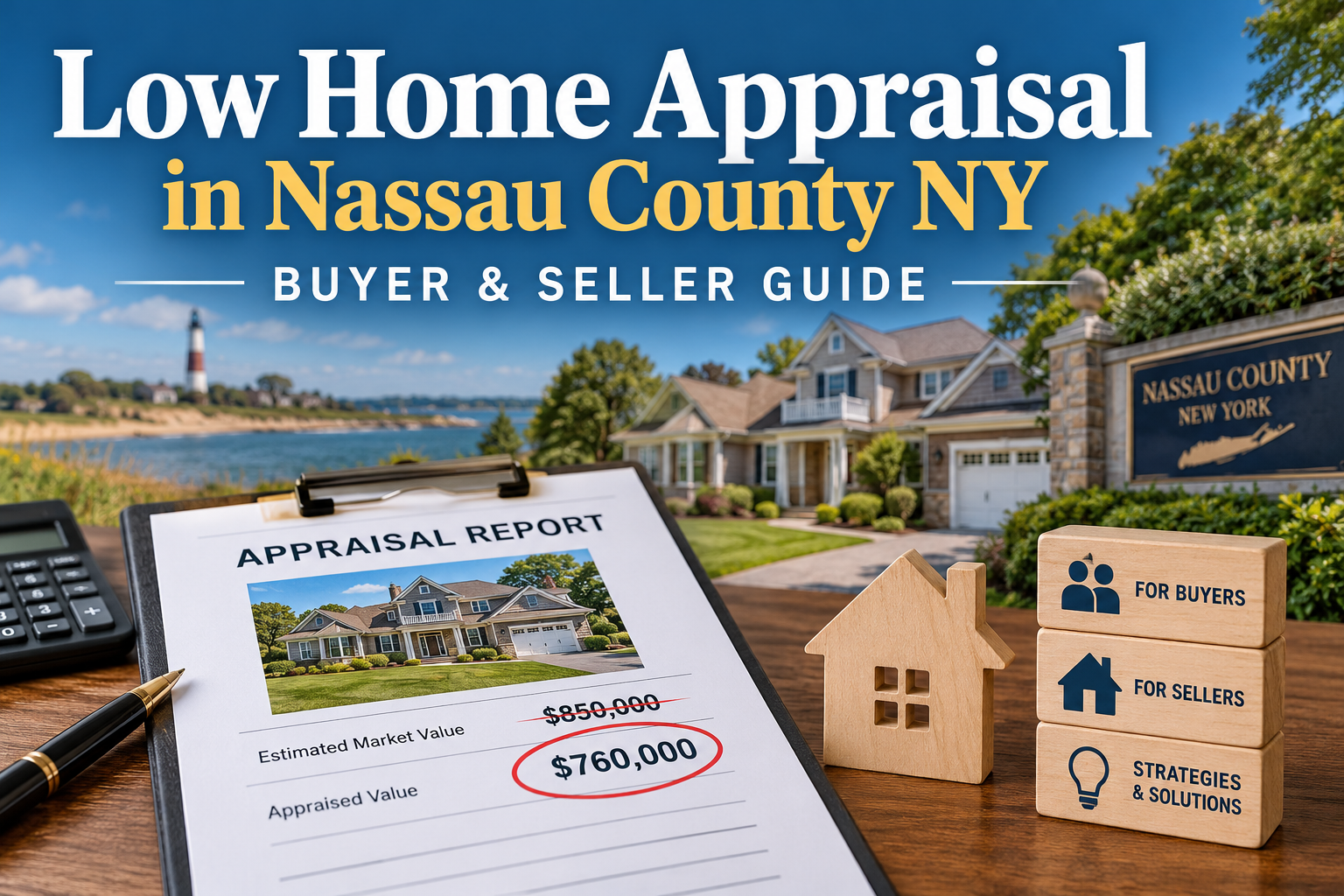
If the appraisal comes in below the contract price, the transaction may require further discussion. Depending on the contract terms and the buyer’s financing, possible options may include a price adjustment, the buyer contributing additional funds, challenging the appraisal when appropriate, or another negotiated solution. Sellers should review their options with their attorney and real estate agent before making a decision.
Title Search and Title Insurance
After the contract is signed, the buyer’s attorney and title company typically begin reviewing the property’s title. The title search may identify mortgages, liens, judgments, easements, open permits, or other matters that could affect the transfer of ownership. Any title issues generally need to be addressed before closing.
If a title issue is discovered, the seller’s attorney may work with the appropriate parties to resolve it before closing. Some issues can be cleared relatively quickly, while others may take additional time. Identifying potential title problems early can help reduce the risk of last-minute closing delays.
Mortgage Commitment (Days 30–45)
The mortgage commitment is the lender’s formal approval of the buyer’s loan after underwriting and review of the specific property. Many Nassau County purchase contracts include a mortgage contingency with a deadline, although the exact timing depends on the contract and the buyer’s financing.
If the buyer’s lender needs additional documentation or more time to complete underwriting, the parties may agree to an extension depending on the contract and circumstances. Changes in the buyer’s finances, employment, credit, or other loan requirements can also affect the timing. Sellers should stay in communication with their attorney and real estate agent so any financing delays can be addressed promptly.
Final Walkthrough and Closing Prep
As closing approaches, the buyer will typically conduct a final walkthrough of the property, often shortly before closing. The purpose is generally to confirm that the property’s condition is substantially as expected and that any agreed-upon items have been addressed.
Sellers should prepare by completing agreed-upon repairs or other obligations, removing personal belongings as required, and leaving the property in the condition called for by the contract. Your attorney will also coordinate with the other parties regarding documents, payoff information, title matters, and other closing requirements.
Closing and Recording (Timing Varies)
At closing, the required documents are signed, funds are transferred, and the transaction is completed according to the contract and closing requirements. In a typical Nassau County transaction, attorneys, the title company, lender when applicable, and other parties coordinate the documents and funds needed to complete the sale.
The seller’s existing mortgage and other required charges or liens are generally paid or otherwise addressed as part of the closing process. After the transaction is completed, the deed is submitted for recording with the appropriate county office.
Where Deals Actually Slow Down
Even when a transaction is moving normally, certain issues can create delays. Common trouble spots include inspection negotiations, appraisal problems, buyer financing delays, title defects, open permits, liens, and last-minute changes in the buyer’s financial situation.
Sellers can reduce some of these risks by preparing early. Gather property documents, identify possible permit or title issues, complete agreed-upon repairs promptly, and stay in close communication with your attorney and real estate agent. Not every delay can be prevented, but early preparation can help keep small issues from becoming last-minute problems.
What Nassau County’s Current Market Means for Your Timeline
Nassau County market conditions can influence how smoothly a transaction moves from accepted offer to closing. Buyer demand, available inventory, interest rates, financing conditions, and the characteristics of the individual property can all affect negotiations and timing.
In a competitive market, sellers may receive offers with different prices, financing terms, down payments, contingencies, and proposed timelines. The highest offer is not always the strongest offer. Evaluating the buyer’s financing, contingencies, and overall ability to complete the transaction can be just as important as the price.
Every transaction is different. The best way to understand how current Nassau County market conditions may affect your particular sale is to evaluate the property, the offer terms, and the buyer’s qualifications together rather than relying on a single market statistic.
Frequently Asked Questions
How long does it take to close after accepting an offer in Nassau County?
The timing varies by transaction. Many Nassau County sales may take roughly 60 to 90 days from accepted offer to closing, but financing, inspections, appraisal, title issues, attorney negotiations, and other circumstances can make the process shorter or longer.
Do I need an attorney to sell my home in New York?
While New York law does not generally require a seller to hire an attorney for a residential sale, attorneys are customarily involved in New York real estate transactions. Because contracts, title matters, closing documents, and other legal issues can be complex, sellers should consider having a New York real estate attorney represent them.
What is attorney review in a New York real estate transaction?
In New York, the purchase and sale contract is typically prepared and reviewed by the attorneys representing the parties. The attorneys may negotiate contract terms, riders, contingencies, closing arrangements, and other provisions before the contract is fully executed.
Attorneys customarily play an important role in New York real estate transactions. What do they handle?
Attorneys may prepare and review the contract, negotiate legal terms and contingencies, address title issues, coordinate payoff and closing documents, and help resolve legal matters that arise before closing. The exact responsibilities depend on the transaction and the attorney’s representation.
What happens if the home appraises below the contract price in Nassau County?
A low appraisal can affect the buyer’s financing and may require the parties to reconsider the terms of the transaction. Depending on the contract, financing, and circumstances, possible options may include a price adjustment, the buyer contributing additional funds, challenging the appraisal when appropriate, or another negotiated solution. Sellers should review their options with their attorney and real estate agent before making a decision.
Can a deal fall through after the contract is signed in New York?
Yes. Even after a contract is signed, a transaction may fail to close because of financing problems, unresolved title issues, appraisal problems, inspection-related disputes, or other circumstances. Whether either party has the right to cancel depends on the specific contract terms and applicable contingencies, so sellers should discuss any potential cancellation with their real estate attorney.
Understanding the timeline is one thing. Navigating it in real time, with a real buyer and real money on the line, is another. I work with Nassau County sellers through every step of this process, from pricing and listing strategy through closing day. If you're thinking about selling or you've already accepted an offer and want to make sure you're protected, schedule a consultation and let's walk through your specific situation.
About Raja Murthy
Raja Murthy is a licensed real estate agent with NB Elite Realty serving Nassau County and Long Island, where he has lived in Farmingdale for over three decades. He helps buyers, sellers, and investors with honest guidance, local expertise, and strong negotiation.