How Much Cash Do You Really Need to Buy a Home in Nassau County, NY?
Buying a home in Nassau County involves more than saving for a down payment. Buyers also need to plan for closing costs, inspections, lender requirements, prepaid expenses, and the cash they may want to keep available after closing.
Understanding these expenses before beginning your home search can help you establish a realistic price range and make better-informed decisions when it is time to submit an offer.
1. Your Down Payment
The amount required for a down payment depends on the type of mortgage, the property, and your financial qualifications.
Some loan programs may permit relatively low down payments, while other buyers choose to put down 10%, 20%, or more. A larger down payment can reduce the amount financed, but using too much of your available cash may leave you with limited reserves after closing.
Before deciding how much to put down, discuss the available loan options with a qualified mortgage professional.
2. Closing Costs
Your down payment is separate from your closing costs.
Depending on the transaction, a Nassau County buyer may encounter expenses related to the mortgage, appraisal, title work and title insurance, attorney fees, recording charges, taxes, prepaid interest, homeowners insurance, and other transaction-specific items.
Because every purchase is different, buyers should obtain estimates from their lender and attorney rather than relying on a single percentage or online calculator.
3. Home Inspection Costs
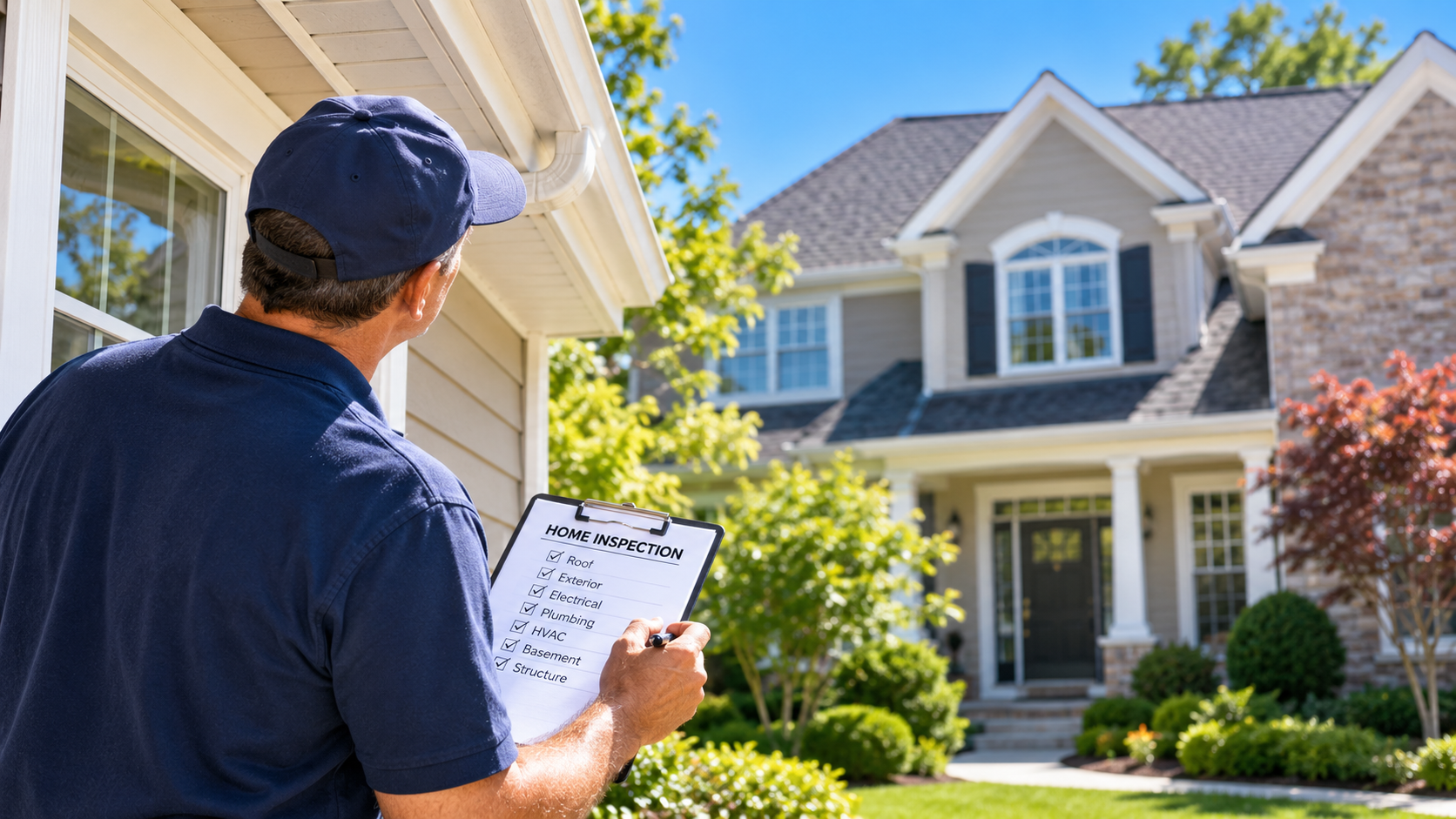
Many buyers choose to have a professional home inspection before moving forward with a purchase.
Depending on the property, buyers may also consider specialized inspections or evaluations for items such as termites or other wood-destroying insects, radon, mold, sewer or septic systems, pools, chimneys, or other conditions.
Inspection costs are generally paid before closing, so they should be included in your early home-buying budget.
4. The Appraisal and Lender Requirements
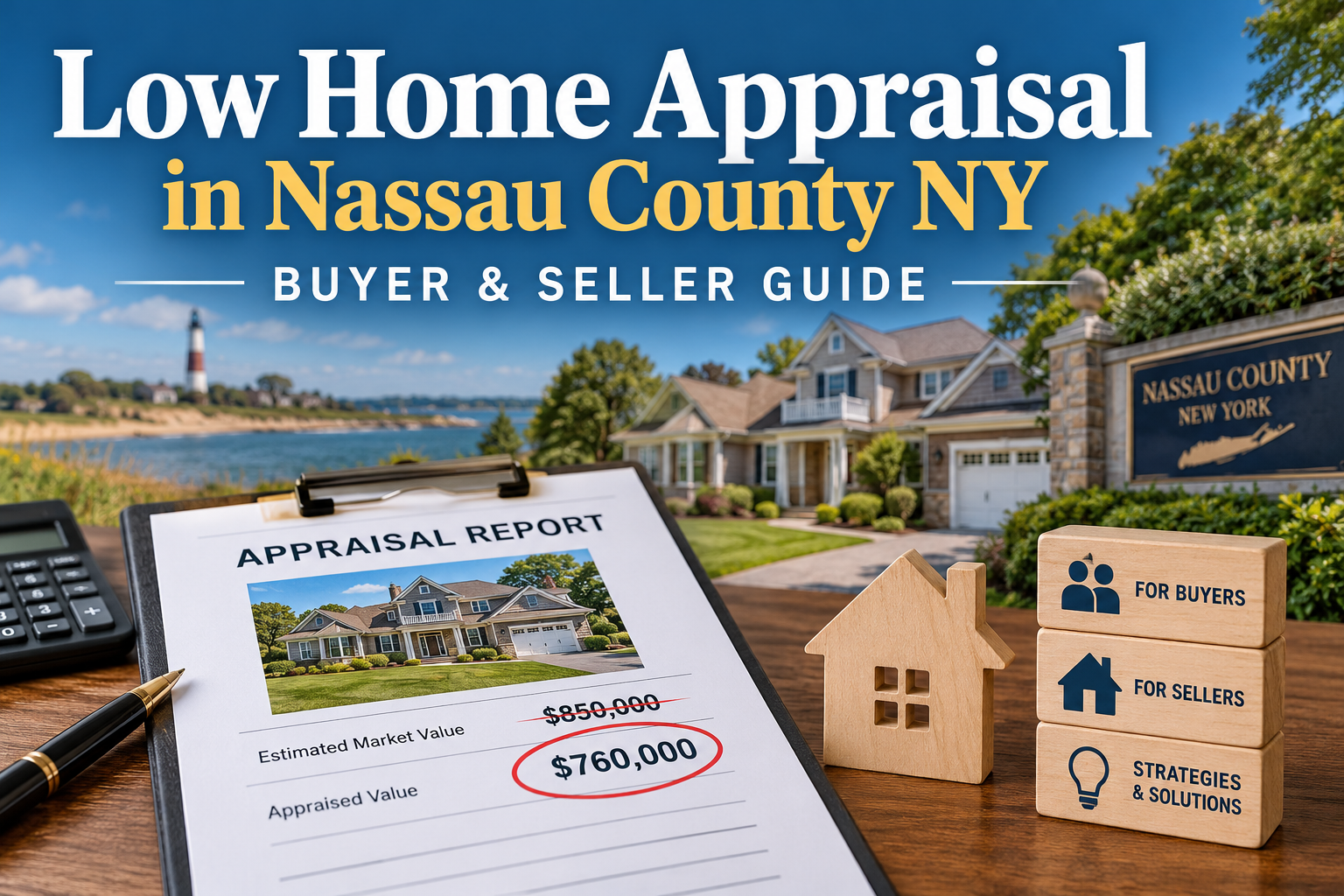
When financing a purchase, the lender will generally require an appraisal as part of the mortgage process.
An appraisal is designed primarily to help the lender evaluate the property in connection with the loan. It is different from a home inspection, which focuses more closely on the property's physical condition.
Your lender can explain the appraisal charge and any other loan-related expenses that may apply to your transaction.
5. Prepaid Taxes and Insurance
Some closing expenses are not traditional fees. They may be advance payments for expenses associated with owning the home.
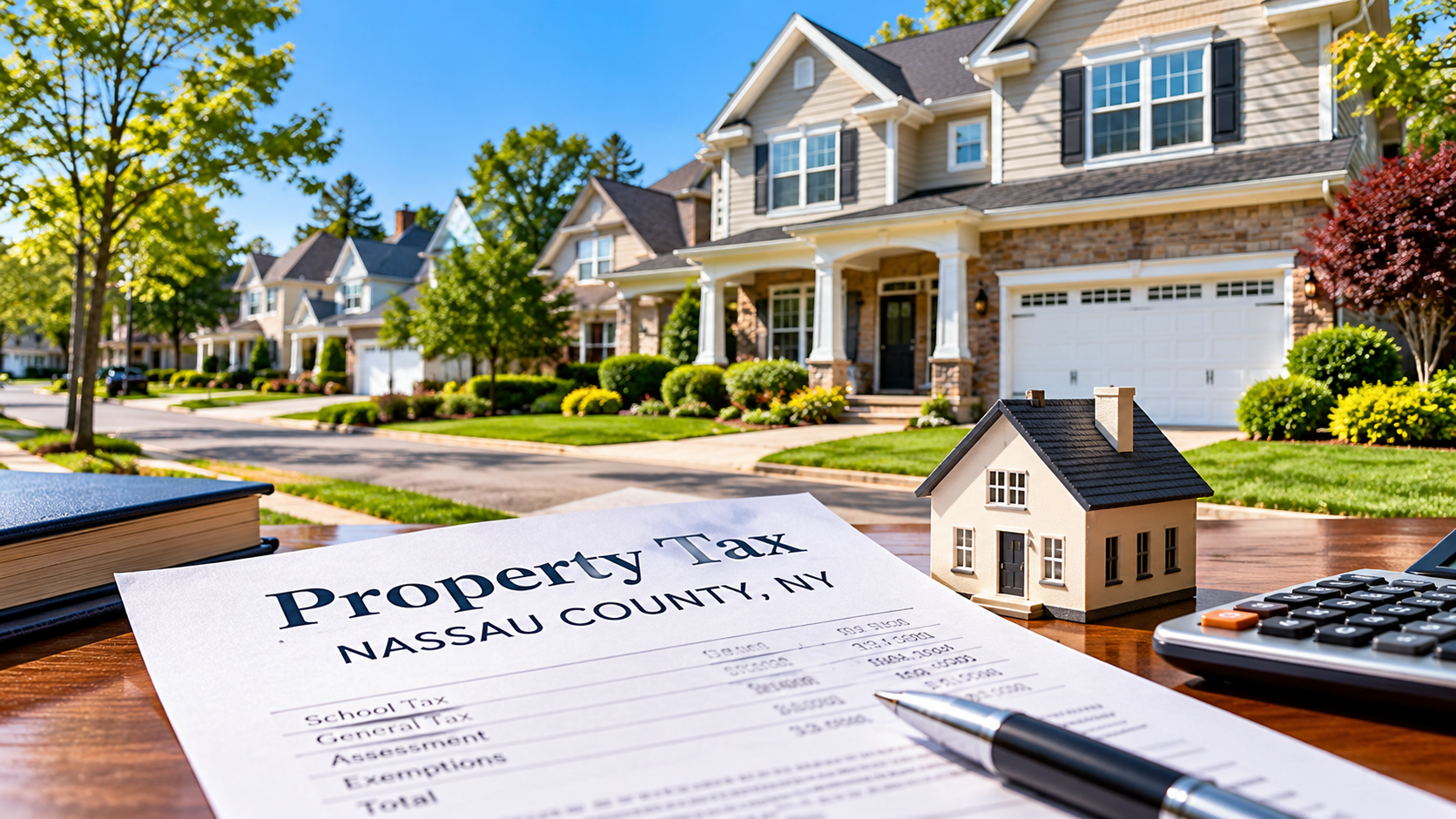
Depending on the transaction and mortgage structure, buyers may need funds for homeowners insurance, property taxes, prepaid interest, or escrow reserves.
These amounts can vary substantially, particularly because property taxes differ from one Nassau County home to another.
6. Don't Use Every Dollar for the Closing
Getting the keys is not the end of the expense of buying a home.
After closing, you may have moving expenses, utility deposits, furniture purchases, painting, repairs, landscaping, appliance replacement, or other immediate costs.
Maintaining an emergency reserve can be especially important for homeowners because unexpected repairs can occur at any time.
7. Get Your Numbers Before Shopping Seriously
One of the best steps a buyer can take is to understand the financial picture before becoming attached to a particular home.
A mortgage professional can help estimate the financing side of the purchase, while a real estate attorney can explain legal and closing-related expenses. Your real estate agent can help you evaluate available properties, recent comparable sales, local taxes, and other factors that may affect your home search.
Having these conversations early can make the buying process much easier once you find the right property.
The Bottom Line
There is no single amount of cash that every Nassau County buyer needs.
The total depends on the home's purchase price, mortgage program, down payment, taxes, insurance, closing expenses, inspections, and the amount you want to keep in reserve after closing.
Before making an offer, understand both the amount you expect to bring to closing and what your finances will look like afterward. A well-prepared buyer can approach the Nassau County market with greater clarity and confidence.
Raja Murthy is a licensed real estate salesperson with
NB Elite Realty LLC, serving Nassau County and Long Island, where he has lived in Farmingdale for over three decades.
Disclaimer:
This article is for general informational purposes only and is not legal, tax, lending, or financial advice. Buyers should consult appropriate licensed professionals regarding their individual circumstances. Equal Housing Opportunity.