A practical guide to the home inspection process, common concerns, and what may happen after the inspection.
Buying or selling a home in Nassau County involves several important steps, and the home inspection is one that often raises questions for both buyers and sellers.
For buyers, an inspection can provide a better understanding of the home's visible condition before moving further into the transaction. For sellers, knowing what inspectors typically examine can help reduce surprises and make the process easier to navigate.
Every property is different, but understanding the basics can help both sides approach the inspection with realistic expectations.
What Is a Home Inspection?
A home inspection is a visual evaluation of many of the accessible systems and components of a property.
A professional home inspector may examine areas such as the roof, foundation, electrical system, plumbing, heating and cooling systems, windows, doors, attic, basement, and other accessible portions of the home.
The inspector typically provides the buyer with a written report describing observed conditions and potential concerns.
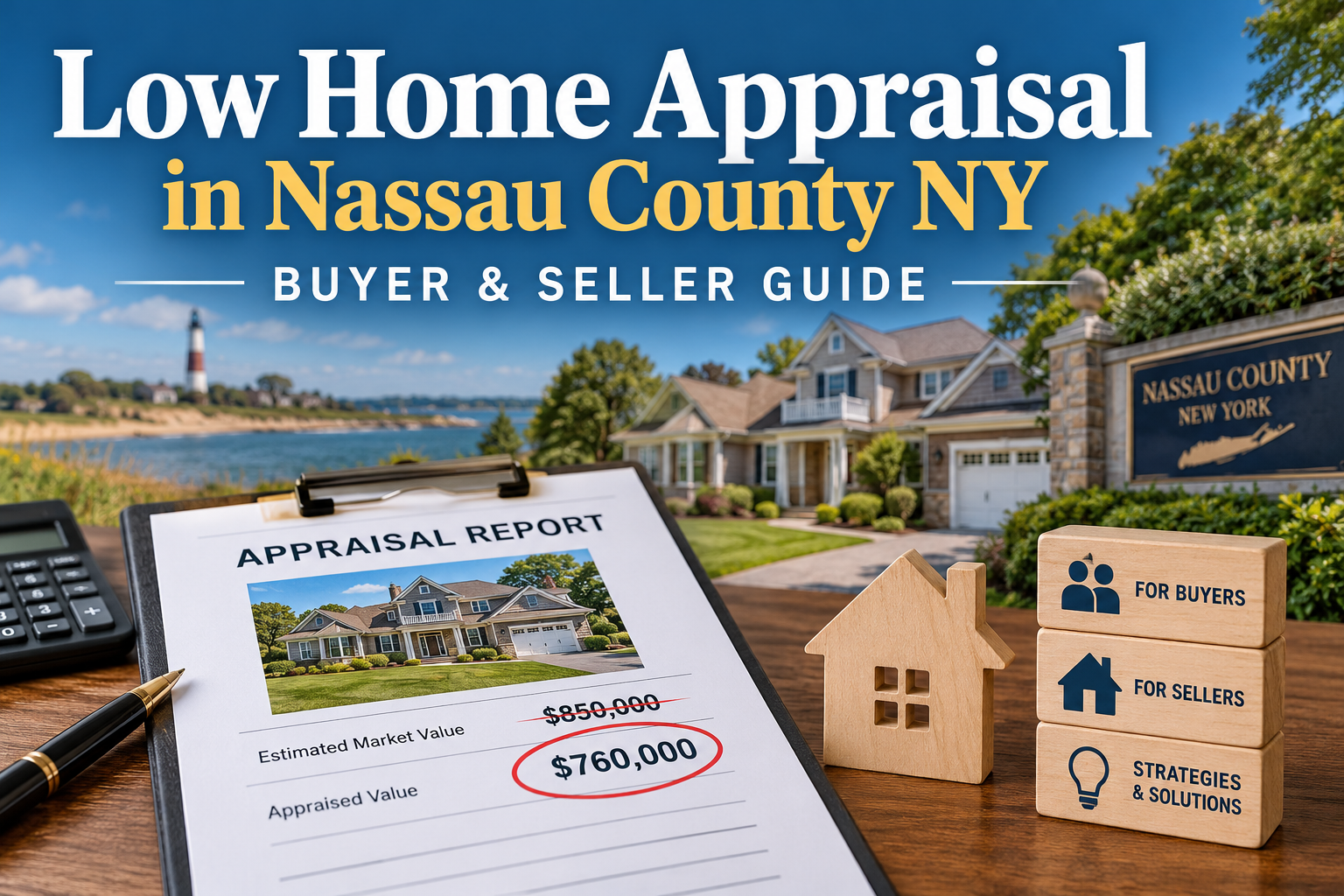
An inspection is not the same as an appraisal. An appraisal generally focuses on the property's value for lending purposes, while a home inspection focuses primarily on the property's condition.
When Does the Inspection Usually Take Place?
In a typical Nassau County home purchase, buyers often arrange an inspection shortly after an offer is accepted.
Because New York real estate transactions commonly involve attorneys and contract negotiations, buyers should communicate with their real estate agent and attorney regarding timing and any contractual considerations.
The exact process can vary depending on the property and circumstances of the transaction.
What Does a Home Inspector Look At?
Although the scope varies by inspector and property, a general home inspection may include visible and accessible portions of:
Roofing and drainage
Foundation and structural components
Electrical systems
Plumbing
Heating and cooling systems
Windows and doors
Attics and insulation
Basements and crawl spaces
Interior walls, ceilings, and floors
Exterior siding and components
Additional specialized inspections or testing may be appropriate depending on the property, its age, location, or conditions observed during the general inspection.
Common Issues in Nassau County Homes
Nassau County has homes representing many different construction periods, styles, and neighborhoods. As a result, inspection findings can vary considerably.
Older homes may have aging electrical, plumbing, roofing, or heating components. Basements may show signs of moisture or previous water intrusion. Inspectors may also identify deferred maintenance, drainage concerns, damaged exterior components, or systems approaching the end of their expected service life.
An inspection finding does not automatically mean a home is a poor purchase. The importance of a particular condition depends on its severity, the property, and the buyer's circumstances.
What Happens After the Inspection?
After receiving the inspection report, buyers should review the findings carefully.
Depending on the circumstances and advice from the appropriate professionals, a buyer may decide to continue as planned, request additional evaluation by a qualified specialist, discuss certain concerns with the seller, or consider other options available under the transaction.
Not every inspection item becomes a negotiation. Homes, especially older homes, will commonly have maintenance items and imperfections.
The focus is often on understanding significant conditions rather than expecting an existing home to be perfect.
Should Sellers Make Repairs Before an Inspection?
Sellers don't necessarily need to renovate their home before an inspection.
However, taking care of obvious maintenance items can help. Sellers may want to address things such as active leaks, loose handrails, malfunctioning fixtures, damaged outlets or switches, clogged gutters, or other readily noticeable maintenance concerns.
It can also be helpful to make areas such as the electrical panel, heating equipment, attic access, and basement accessible when appropriate.
Major repairs or improvements should be considered carefully rather than performed simply because an inspection is coming.
Should Sellers Attend the Buyer's Inspection?
In many transactions, sellers give the buyer and inspector access to the property and allow them the time needed to complete the inspection.
The buyer's agent may also be present.
Practices can vary, so sellers should coordinate access and expectations with their real estate professional.
What About Specialized Inspections?
A general home inspection may not cover every possible condition.
Depending on the property and initial findings, buyers may consider additional evaluations or testing by appropriately qualified professionals. Examples could include termite or other wood-destroying insect inspections, sewer or septic evaluations where applicable, chimney inspections, mold assessments, structural evaluations, or other specialized services.
Waterfront properties, older homes, properties with additions, and homes with unusual systems may require additional consideration.
An Inspection Is About Understanding the Property
For buyers, the purpose of a home inspection is not necessarily to produce a list of demands. It is an opportunity to learn more about the home they are considering purchasing.
For sellers, inspection findings don't automatically mean a transaction is in trouble. Many issues can be evaluated and discussed as part of the normal home-buying process.
Clear communication among the buyer, seller, real estate professionals, attorneys, inspectors, and other appropriate professionals can help keep the transaction moving forward.
Buying or Selling a Home in Nassau County?
If you're considering buying or selling a home in Nassau County, understanding the steps before they happen can make the process easier to navigate.
I help buyers and sellers throughout Nassau County and Long Island understand the real estate process and prepare for each stage of their transaction.
Raja Murthy
Licensed Real Estate Salesperson
NB Elite Realty LLC
Murthy Real Estate
Raja Murthy
is a licensed real estate salesperson with NB Elite Realty LLC serving Nassau County and Long Island, where he has lived in Farmingdale for over three decades.
This article is provided for general informational purposes only and is not intended as legal, engineering, environmental, home-inspection, tax, or other professional advice. Buyers and sellers should consult appropriately licensed professionals regarding their particular property and transaction.
Equal Housing Opportunity.